
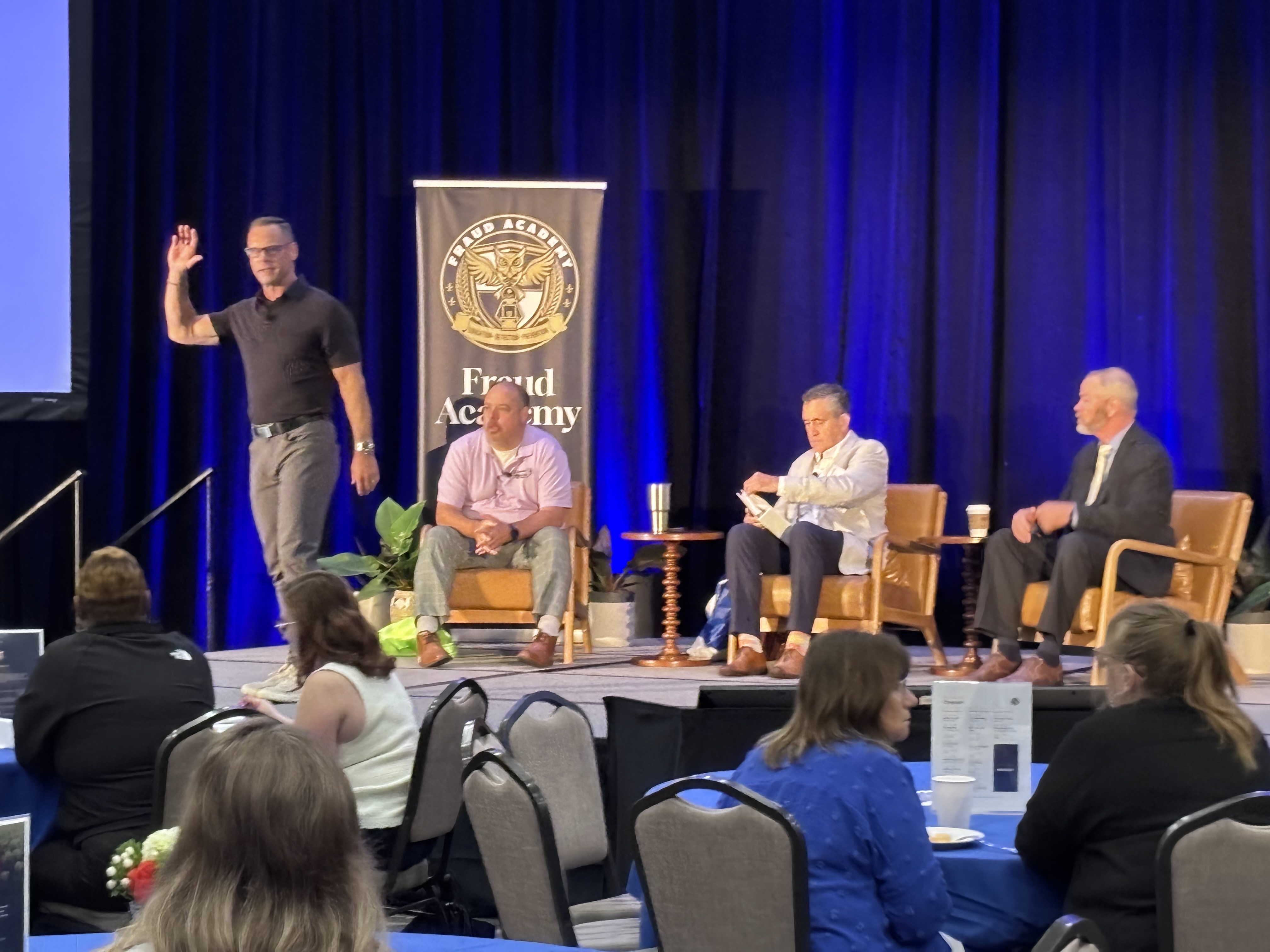
Three Things I Took Away from the 2026 Fraud Academy
Just got back from three days at the Kentucky Bankers Association's Fraud Academy. Most of the banks in the room were under $1B in assets, and here's the number that stayed with me: about half had no full-time fraud investigator. Fraud is part of somebody's job — layered on top of BSA, or operations, or running a branch. Meanwhile the volume and the sophistication keep climbing, and have since 2020. So the constraint at most community institutions isn't detection anymore. It's hours. Several speakers pushed the room to go back and make the case for a dedicated investigator, and I think they're right. If you're building next year's budget, name that gap out loud.
Second, the information sharing rules moved in our favor. In June, FinCEN issued updated guidance clarifying that the 314(b) safe harbor covers suspected fraud — mail, wire, bank fraud and other specified unlawful activities — without having to first identify laundered proceeds. It also confirms you can share in real time, through electronic platforms, and with a group of participating institutions rather than one bank at a time. That last part matters more than it sounds like it does. Worth a look if it hasn't crossed your desk yet: registration runs through FinCEN's FI Portal, it renews annually, and an expired registration means no safe harbor.
Third, the law enforcement panel was refreshingly blunt about what gets picked up. Agents want cases that are well documented, connected to other institutions, and material in dollars. A $4,000 check fraud loss sitting by itself usually doesn't move. The same loss tied to eight similar attempts across a region does. That's an uncomfortable takeaway, because it puts the burden back on us — the quality of the case package and our ability to link it to somebody else's case is often the difference between a referral that gets prosecuted and one that gets filed. Special thanks to Gene Haynes at Central Bank, who shared generously all week, offered help to anyone who asked, and kept us laughing. And to agents from the FBI, Secret Service, Postal Inspector General, and DEA for the time and candor. Thanks also to Shane Ensminger and the KBA team for putting it together.
Let's Talk
You have fraud frustrations? We have the solutions. Let's discuss what you are dealing with and we can learn more and share how we can help.


%20(3).png)
